
What Are Fansqingers?
The term ‘fansqingers‘ emerges from the fusion of two pivotal cultural elements: fandom and singing. It encapsulates a new breed of artists who carve their niche by blending their love for popular culture with musical expression. These individuals are not merely singers; they transcend traditional boundaries by deeply engaging with their respective fan communities, thereby creating art that echoes the sentiments of fellow enthusiasts.
Fansqingers often draw inspiration from various media franchises, including films, television shows, and video games, as well as popular music. This creates a rich tapestry of sounds and themes that resonate with audiences who share similar interests. By incorporating beloved characters or iconic moments into their original compositions or covers, fansqingers establish a distinctive voice that sets them apart in the vast music landscape.
Among the notable fansqingers, one can find artists like Matt Mulholland, who gained popularity for his unique covers of songs from beloved franchises. His renditions often incorporate elements of humor and nostalgia, making them appealing to a diverse audience. Another example is the YouTube sensation, Jonathan Young, who is recognized for his metal and rock covers of animated series songs, showcasing his ability to merge genres while paying homage to the source material.
By embracing their passion for fandom while honing their musical talents, fansqingers contribute to a new creative movement. They are not simply imitating existing music; rather, they are reconstructing and expanding on the themes and narratives from the media they love. In doing so, fansqingers bridge the gap between being a performer and a fan, cultivating a community that celebrates shared experiences through the power of music.
The Rise of Fansqingers in Popular Culture
In recent years, the phenomenon of fansqingers has gained significant traction within popular culture, propelled largely by the advent of social media platforms. Fansqingers, individuals who blend their passion for music with fan culture, are leveraging platforms such as TikTok, Instagram, and YouTube to showcase their talents. These digital spaces provide an accessible medium for aspiring singers to share original content, covers, and fan-inspired creations, fostering a sense of community among their peers and followers.
The rise of fansqingers exemplifies how social media has transformed traditional pathways for artists. Previously, musicians relied heavily on record labels and mainstream media to gain visibility. However, fansqingers utilize their creativity and relatability to connect directly with their audience, establishing authentic relationships. Through engaging content, such as song interpretations and personalized renditions, they allow fans to feel a deeper emotional connection to the music and its creators.
The impact of fansqingers on the music industry is undeniable. As these individuals gain popularity, they can influence trends and propel certain songs or artists to mainstream success. Events like viral challenges or collaborative covers often lead to increased streaming numbers for featured artists, demonstrating the power that fansqingers hold. Moreover, record labels are beginning to recognize these emerging creators as potential collaborators, acknowledging the value they bring in terms of audience reach and engagement.
Key moments in the journey of fansqingers include viral sensations, popular challenges, and unique content creation strategies that have reshaped the interaction between fans and music. As they continue to navigate the evolving landscape of popular culture, fansqingers are poised to play an even greater role in redefining how music is experienced and shared in the digital age.
Fansqingers vs. Traditional Artists: Key Differences
The rise of fansqingers has introduced a fresh dynamic to the music industry, distinguishing them significantly from traditional artists. At the core of this differentiation lies their approach to music creation. While traditional artists often spend months in studios refining their sound, fansqingers frequently engage in a more spontaneous and collaborative method, drawing inspiration directly from their audience. They leverage platforms such as social media to create and share music that reflects the immediate desires and tastes of their followers, allowing for adaptability and fluidity in their work.
Audience engagement also showcases a stark contrast between fansqingers and traditional artists. Fansqingers thrive on interaction, often involving their fans not just as listeners, but as co-creators. This can include feedback sessions, live Q&A’s, and interactive content that allows fans to influence artistic direction. In contrast, traditional artists may adopt a more top-down approach, with fan engagement primarily at live shows or through passive channels like album releases. This engagement strategy provides fansqingers with real-time insights into what resonates, facilitating an ongoing dialogue that traditional artists may not experience as intimately.
Furthermore, the marketing strategies of fansqingers differentiate them from their traditional counterparts. With the ubiquity of online platforms, fansqingers utilize digital tools and social media networks to organically promote their music, often relying on viral trends and user-generated content. This is in stark contrast to the marketing tactics employed by traditional artists, who may depend on established industry channels, such as record labels and radio play. The DIY spirit of fansqingers not only fosters authenticity but also poses unique challenges, particularly in navigating a landscape rife with competition and ever-evolving digital algorithms.
The Future of Fansqingers: Trends and Predictions
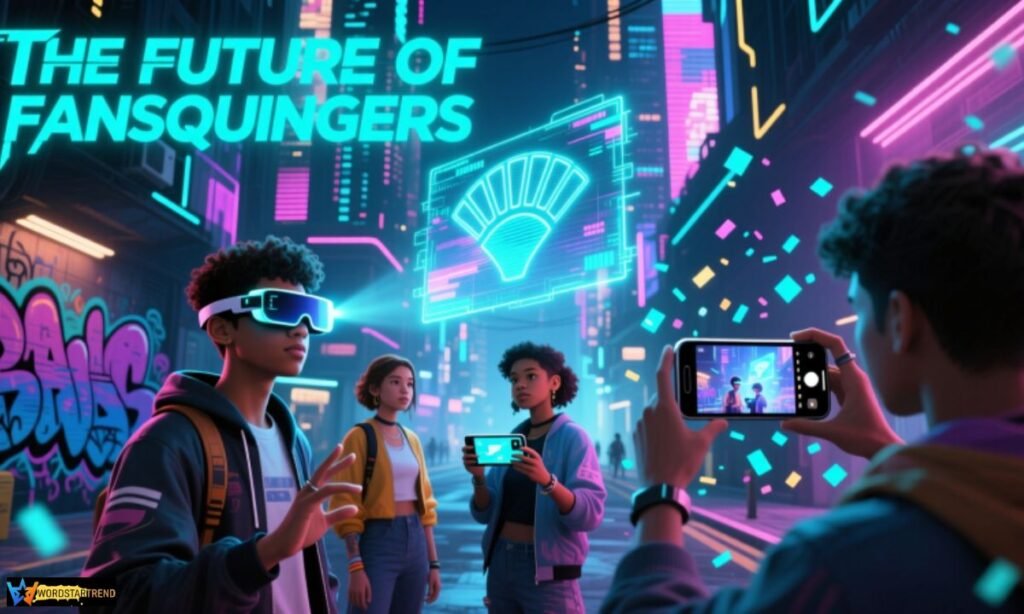
The evolution of fansqingers in the music industry holds significant promise as technological advancements continue to reshape artist-fan interactions. Current trends suggest that the traditional boundaries between music creators and audiences are becoming increasingly blurred. This shift is evidenced by the rise of social media platforms where fansqingers can showcase their talents directly to the public, often without the need for intermediary channels such as record labels.
One notable trend is the increasing collaboration between fansqingers and established artists, leveraging the power of fan communities to amplify reach and engagement. This interactivity fosters a unique environment where creativity can flourish, giving rise to collaborative projects that blend mainstream and grassroots styles. Additionally, experts predict that fansqingers will increasingly utilize live streaming platforms, allowing for real-time audience engagement and an opportunity for spontaneous creative expression. This immediacy enhances the connection between fansqingers and their audience, solidifying their role in the music landscape.
Moreover, as the consumption of music continues to evolve, particularly with the rise of digital streaming services, fansqingers are likely to adapt their distribution strategies. They may explore various monetization avenues, including merchandise sales, virtual concerts, and exclusive fan experiences. This adaptability will ensure that fansqingers can sustain their creative efforts and continue to engage their audiences in innovative ways.
In conclusion, the future of fansqingers appears bright, with ongoing technological advancements paving the way for new forms of creative expression. As these artists embrace the opportunities presented by emerging platforms and trends, the music industry is poised to experience a significant transformation, whereby fansqingers are not only recognized but celebrated as pivotal contributors to the musical landscape.